

Ecommerce Trends 2026 Shaping Customer Experience and Retail Strategy

Future-Proof Your E-commerce: Navigating the Top Trends of 2026
Is your online store ready for what's next? The digital landscape evolves at lightning speed, and e-commerce success in 2026 won't be about simply keeping up, but about anticipating and leading. Customers today expect more than just products; they demand seamless experiences, genuine connections, and innovative interactions. If your strategy feels a little, well, yesterday, you're not alone. But ignoring these shifts? That's a direct path to getting left behind.
At Mojo, we're not just observing the future of online retail; we're helping our clients build it. We've distilled the most impactful e-commerce trends for 2026 into actionable insights, showing you how to transform challenges into opportunities. Get ready to discover the shifts that will redefine how consumers shop, what they value, and how your brand can capture their loyalty.
Let's dive in and make sure your business isn't just surviving, but thriving in the new digital frontier.
The Human-Centric Digital Revolution
Even as technology becomes more sophisticated, the core of successful e-commerce remains undeniably human. Consumers are craving authenticity, trust, and experiences that feel uniquely tailored to them. Here's how leading brands are delivering just that.
Embracing Intelligent Personalization: Your Customer, Understood
The days of generic marketing messages are long gone. In 2026, digital marketing is all about precision. Artificial Intelligence (AI) isn't just a buzzword; it's the engine driving hyper-personalized shopping journeys that make every customer feel truly seen and valued. Imagine anticipating needs before they're even explicitly stated – that's the power we're talking about.
Here’s how forward-thinking e-commerce businesses are leveraging AI to create truly impactful customer experiences:
- Hyper-Personalized Shopping Feeds: Beyond simple recommendations, AI dynamically adjusts entire storefronts, product layouts, and promotions in real-time, based on individual browsing history, purchasing patterns, and even current mood.
- Next-Gen Virtual Assistants: Forget clunky chatbots. AI-powered conversational commerce understands intent, offers nuanced advice, helps with size selection, tracks orders, and even acts as a personal stylist, making online shopping feel incredibly human.
- Visual Search & Product Recognition: Customers can snap a photo of an item they like in the real world, and AI instantly finds similar products in your catalog. Talk about removing friction from the buying process!
- Dynamic Pricing & Inventory Optimisation: AI algorithms analyze market demand, competitor pricing, and stock levels to optimize prices and ensure product availability, maximizing both sales and profitability.

For businesses looking to implement a robust AI strategy, it's not just about adopting tools, but about understanding how AI can enhance every facet of the customer lifecycle. It's about data-driven decisions that foster engagement and drive conversion optimization.
Building Unshakeable Trust: Radical Transparency in a Skeptical World
In an age where information is abundant and misinformation is rampant, consumers are increasingly wary. The expectation for brands to be radically transparent is no longer a niche demand; it's a mainstream imperative. Hiding facts or obscuring supply chains is a recipe for distrust and, ultimately, lost sales.
True transparency means opening up about more than just your product's features:
- Supply Chain Clarity: Digital product passports allow customers to scan a QR code and trace an item's journey from raw materials to their doorstep, verifying ethical sourcing and production.
- Pricing Breakdown: Some brands are demystifying pricing by openly showing the cost of materials, labor, shipping, and even their own profit margins, building immense goodwill.
- Environmental & Social Impact: Detailing a product's carbon footprint or showcasing fair labor practices fosters a connection with values-driven consumers. Transparency extends to how customer data is used, especially with AI algorithms.
Building trust through honesty isn't just about ethics; it's a powerful branding strategy that cultivates deep, long-lasting customer loyalty. Consumers will always choose the brand they believe in.
The Power of Real Voices: Social Proof Reimagined
With an increasing saturation of content—some of it generated by AI—consumers instinctively gravitate towards what feels authentic. In 2026, social proof is evolving beyond star ratings; it's about verified, detailed, and multimedia-rich testimonials that resonate with genuine human experience. It's 'Social Proof 2.0'.
Why this shift towards heightened authenticity? Because customers aren't looking for flawless, generic praise. They're seeking real-world validation from peers who share similar needs and challenges. Here's what defines this new era:
- Verified Customer Reviews: Systems that link reviews directly to confirmed purchases ensure authenticity, countering the rise of fake testimonials and building confidence.
- Multimedia Reviews: Encouraging customers to share their own photos and videos of products in use provides unparalleled credibility. Seeing an item in a real home or on a real person is far more persuasive than studio shots.

- Detailed Product Attributes: Instead of just a single star rating, customers value insights into specific product characteristics like "color durability," "ease of assembly," or "size accuracy." This granular feedback empowers others to make truly informed decisions.
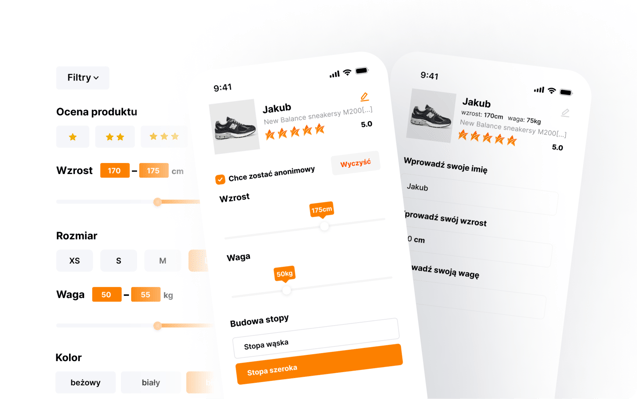
- Proactive Engagement: Brands that actively respond to all feedback—especially negative reviews—with empathy and solutions, demonstrate a genuine commitment to customer satisfaction. This dialogue transforms potential pitfalls into opportunities to reinforce trust.

Investing in genuine user-generated content is not an expense; it’s a cornerstone of your SEO strategy and a fundamental investment in your brand's credibility. It directly impacts your online visibility and, more importantly, your customers' willingness to click "buy."
Seamless Experiences & Emerging Frontiers
The modern consumer lives a dynamic life, fluidly moving between devices, locations, and digital spaces. E-commerce must match this fluidity, removing friction and offering innovative ways to connect with products.
Beyond Channels: True Omnichannel Integration
The term "omnichannel" has been around for a while, but in 2026, it truly means the dissolution of barriers. It's no longer just about being present on multiple platforms; it's about creating a single, cohesive, and utterly frictionless ecosystem where your brand is consistently available and responsive, wherever the customer happens to be.
Key elements of this evolved omnichannel approach include:
- Synchronized Shopping Carts: A customer adds items to their cart on their phone during a commute, and those items are still there when they log in on their laptop later that evening. No need to start over.
- Click & Collect 2.0: Beyond simple pickup, this involves real-time inventory checks through apps, rapid reservations (e.g., "ready in 15 minutes"), and even in-store staff ordering out-of-stock items for direct home delivery.
- Social Commerce & Live Shopping: Integrating the entire purchase journey directly into social media platforms like TikTok or Instagram. See it, like it, buy it – all without leaving the app. Live shopping events also turn casual browsing into interactive, real-time sales opportunities.
- Unified Inventory Management: Real-time visibility across all stock locations – warehouses, physical stores, and even vendor dropship points. This ensures accurate product availability and enables flexible fulfillment options like shipping from the nearest store.
Brands excelling in true omnichannel experiences report significantly higher customer retention rates. The takeaway? Respect your customer's time and choice of platform. Meet them where they are, and make the journey effortless.
Immersive Retail: AR & VR for the Win
One of e-commerce's biggest historical hurdles has been the inability to physically interact with products before purchase. Augmented Reality (AR) and Virtual Reality (VR) are finally shattering this barrier, transitioning from futuristic novelties to indispensable tools for online sales.
"Try before you buy" is no longer just a slogan; it's a powerful driver of sales and customer satisfaction:
- Virtual Try-Ons: Using smartphone cameras, customers can "try on" clothing, glasses, or makeup virtually. Advanced algorithms ensure realistic rendering, showing how fabrics drape and colors appear on their actual body.
- Virtual Home Decor & Furniture Placement: Imagine "placing" a 3D model of a new sofa or a piece of art directly into your living room using your phone. This eliminates guesswork about size, style, and fit, dramatically reducing returns.
- VR Showrooms & Experiential Commerce: High-value sectors like automotive or luxury goods are creating fully immersive VR showrooms. Customers can explore a car's interior, customize features, and experience the brand's atmosphere from anywhere in the world.

By using immersive technologies to address customer uncertainties, businesses not only boost sales but also significantly reduce return rates – a common pain point in online retail. It’s about building confidence and delivering delight.
The Future of Transactions: Biometrics & Digital Currencies
The checkout process is often where online sales hit a snag. Lengthy forms, forgotten passwords, or security concerns can lead to abandoned carts. In 2026, payment innovations are making transactions faster, more secure, and incredibly seamless.
Biometric Payments: Your Identity as Your Wallet
Your unique biological characteristics are the ultimate security key, making payments both convenient and virtually unhackable:
- Face & Iris Scans: Using built-in mobile device sensors, transactions can be authorized with a quick glance, bypassing passwords or PINs entirely.
- Biometric Payment Cards: Physical cards are evolving to include integrated fingerprint readers, allowing for secure "tap-and-go" payments with courier services or in-store.
Cryptocurrencies & Stablecoins: Mainstream Digital Payments
Once considered volatile investments, cryptocurrencies, particularly stablecoins, are now a recognized and common method of payment:
- Stablecoins: Pegged to traditional fiat currencies like USD or EUR, stablecoins remove the volatility associated with other cryptocurrencies, offering price stability for both buyers and sellers.
- Instant Cross-Border Transactions: For global e-commerce, digital currencies enable immediate settlement across international borders, eliminating bank fees and lengthy processing times.
- Automated Returns & Refunds with Blockchain: Leveraging blockchain, funds can be automatically returned to a customer's wallet the moment a return package is scanned by a courier, building unparalleled trust and efficiency.
Security is a paramount selling point today. In an era of increasing digital threats, offering payment methods that are inherently secure and user-friendly provides a significant competitive advantage. It simplifies the path to purchase and bolsters customer confidence.
Making These Trends Work for Your Business
The e-commerce landscape of 2026 demands a proactive, integrated approach. It’s a dynamic interplay between cutting-edge technology and foundational human needs for trust and personalized engagement. Simply adopting one or two trends won't suffice; true success lies in weaving these innovations into a coherent digital strategy.
Here’s what successful businesses are prioritizing:
- Strategic AI Integration: Beyond just chatbots, think AI as your operational co-pilot for personalization, pricing, and logistics. It's about data-driven efficiency that boosts your bottom line.
- Authenticity as a Core Value: In a world of deepfakes, verifiable social proof and radical transparency aren't just good practices; they are your most potent tools for building genuine customer loyalty.
- Seamless Omni-Experience: Your customer doesn't distinguish between "online" and "offline." Your brand shouldn't either. Ensure a consistent, frictionless journey across every touchpoint.
- Immersive Confidence: Leverage AR/VR to remove purchase anxiety, allowing customers to truly "experience" products before they buy. This reduces returns and enhances satisfaction.
- Secure & Modern Payments: Offer payment options that inspire confidence and convenience, from biometrics to stablecoins, streamlining the final step of the customer journey.
The future of e-commerce is here, and it's exhilarating. It's a space where technological prowess meets genuine human connection, creating unparalleled value for both businesses and their customers.
Ready to Dominate the Digital Marketplace in 2026?
Don't let these transformative e-commerce trends pass your business by. The time to adapt and innovate is now.
At Mojo, we specialize in crafting custom digital strategies that integrate the latest trends to drive measurable results. Whether it's optimizing your SEO, enhancing your CRO, or developing a complete digital marketing plan, we're here to turn these future trends into your present success.
Ready to elevate your online store and captivate tomorrow's customer?
Let's discuss how your business can leverage these insights to achieve significant growth and lasting customer loyalty.