
How Agentic Engine Optimization Is Redefining Digital Strategy

In today's fast-evolving digital landscape, keeping your brand visible and engaging with your audience feels like a constant high-stakes game. Just when you thought you'd mastered the intricacies of search engine optimization, a new, even more profound shift is reshaping how consumers find and interact with businesses online. We're talking about the rise of generative AI and AI assistants – powerful tools that are rapidly redefining the very fabric of the customer journey.
For years, your digital presence has thrived on algorithms designed for human eyes, optimizing websites and mobile apps to rank prominently in traditional search results. But what happens when the primary intermediary isn't a human typing keywords, but an intelligent agent, interpreting complex requests and delivering nuanced answers? If your digital assets aren't speaking the language of AI, you risk becoming invisible in this new era. It’s a challenge, yes, but also an incredible opportunity to forge deeper, more intuitive connections with your customers.
The Dawn of Agentic Search: Beyond Traditional SEO
Let's be honest, the digital world never stands still. We've moved from static web pages to dynamic experiences, from desktop to mobile-first. Now, we're witnessing perhaps the most significant transformation yet: the emergence of agentic search. Think about how many people are now interacting with tools like OpenAI's ChatGPT, Google Gemini, and Microsoft Copilot. These aren't just fancy chatbots; they're becoming the new gateway to information, products, and services.
This isn't just speculation. Industry reports clearly show the trend: AI search visitors are projected to outpace traditional search by 2028, and already, a significant chunk of websites are seeing AI-driven traffic. The shift is undeniable. It's no longer enough for your website or mobile app to be "SEO-friendly." It needs to be "AEO-friendly" – optimized for answer engine optimization or generative engine optimization.
What does this mean for your brand? It means moving beyond keywords and links to focus on making your content and functionality truly understandable and actionable for intelligent agents. Imagine a user asking an AI assistant to "find me the best eco-friendly coffee maker under $100 with next-day delivery." Your website needs to be structured in a way that allows that AI agent to seamlessly process this request, compare your offerings, and even initiate a purchase on the user's behalf. This is where the future of digital strategy lies.
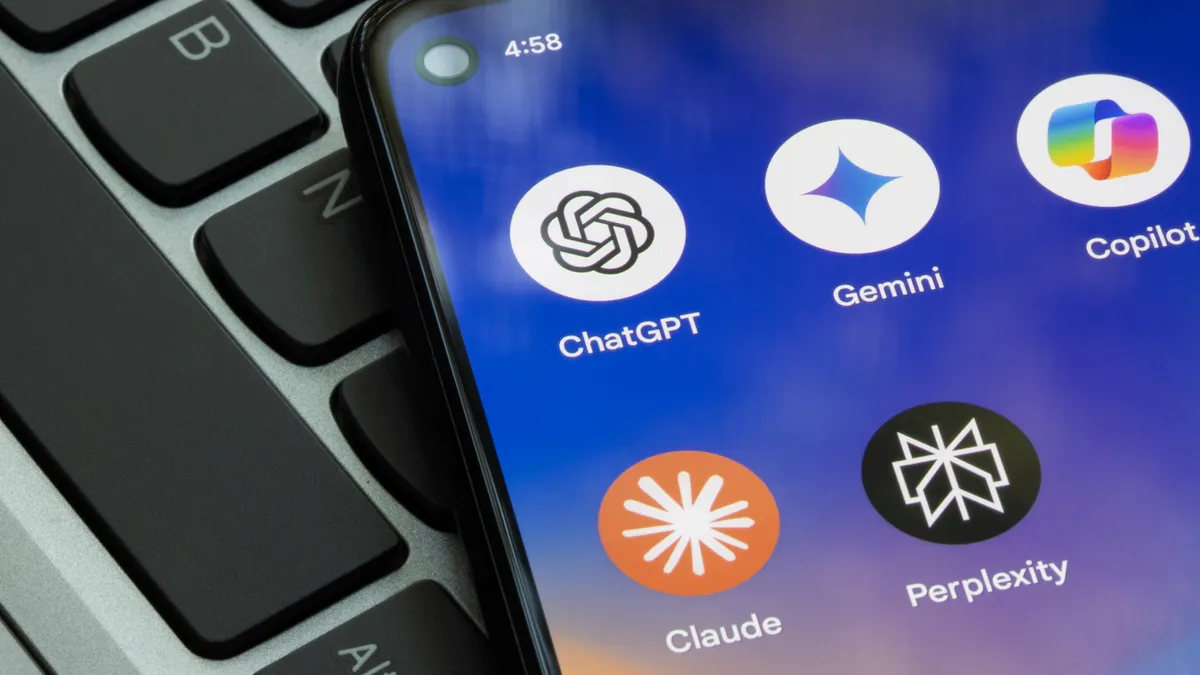
Brands must make their mobile apps and websites discoverable and usable by AI systems — a process called agentic engine optimization.
Why Ignoring AI Optimization Puts Your Brand at Risk
The stakes are incredibly high. For too long, many brands have focused intensely on their owned digital properties, designing them primarily for direct human interaction and traditional search engine crawling. But as consumer behavior rapidly evolves, mediated by AI assistants integrated into everything from mobile devices to web browsers and operating systems, this approach becomes a significant liability.
Consider these critical points:
- Disappearing Discoverability: If AI agents can't easily understand and interact with your site, your brand becomes effectively invisible to a growing segment of your audience. Just like being on the second page of Google used to mean obscurity, being unintelligible to generative AI means being left behind.
- Subpar Customer Experiences: Currently, AI agents often resort to clunky workarounds – like taking screenshots and mapping X/Y coordinates – to navigate websites built solely for humans. This results in slow, error-prone, and ultimately frustrating experiences for the end-user, who might associate that friction with your brand.
- Missed Conversion Opportunities: When a user asks an AI to "book a flight" or "find a product," your brand needs to be primed to participate in that transaction directly. Companies like Expedia and Spotify are already integrating their services within ChatGPT, setting a new standard for seamless AI-driven customer journeys. Can your brand keep up?
The time for experimentation is now. Brands must move beyond a "wait and see" approach and actively adapt their mobile app optimization and website optimization strategies to embrace this new reality.
Your Blueprint for AI Readiness: Practical Steps for Digital Transformation
Optimizing for AI is certainly more intricate than traditional SEO, as AI outputs are less predictable and keyword-dependent. It requires a holistic rethinking of your digital architecture and content strategy. Here at Mojo, we believe in practical, actionable steps to ensure your brand thrives in the AI era.
Refining Your Digital Hygiene
Before diving deep into complex AI integrations, start with the fundamentals. A strong "digital hygiene" foundation makes your website and apps inherently easier for AI agents to crawl and understand:
- Structured Content: Ensure your website’s hierarchy is crystal clear. Use headings (
<h1>,<h2>,<h3>), paragraphs, lists, and forms logically. AI agents need to understand the relationship between different content blocks. - Flawless HTML: Validate your HTML tags. Clean, well-formed HTML is crucial for machine readability.
- Rich Metadata & Alt Text: Beyond basic SEO, provide clear labels, descriptive alt text for images, and comprehensive schema markup. This helps AI understand the context and purpose of every element.
- Vectorized Images: Where appropriate, utilize vectorized images. They maintain quality across different platforms and resolutions, ensuring consistent interpretation by AI systems.
Advanced AI-First Foundations
Once your digital hygiene is impeccable, it's time to implement more advanced strategies:
- AI.txt Files: Similar to Robots.txt, an AI.txt file can instruct AI models and agents on how to interact with your content, specifying what they can or cannot access and how to interpret specific sections.
- Semantic HTML: Go beyond basic HTML. Employ semantic tags (
<article>,<section>,<nav>,<aside>) to convey meaning directly to machines, making your content inherently more digestible for AI. - Open APIs: The gold standard for AI-driven experiences. Public-facing, well-documented Application Programming Interfaces (APIs) allow AI agents to directly interact with your services in a machine-readable format, bypassing human-machine interfaces entirely. This enables true automation and deeper integration.
- Content Optimization for Answers: Shift your content marketing strategy. Instead of just targeting keywords, focus on providing clear, concise, and comprehensive answers to potential user queries. AI thrives on well-organized, factual information.
Unlocking Enhanced Customer Journeys and Brand Consistency
The beauty of agentic engine optimization isn't just about avoiding being left behind; it's about actively building a more efficient, consistent, and powerful digital presence. By making your brand discoverable and actionable by AI systems, you can:
- Steer Customers to Your Channels: Even if initial discovery happens through an AI assistant, an optimized experience can seamlessly guide users to your owned mobile app or website for deeper engagement and conversion.
- Reinforce Brand Value: Consistent, high-quality interactions, whether direct or AI-mediated, solidify your brand's reputation for reliability and innovation.
- Future-Proof Your Digital Assets: By building for AI, you're not just reacting to a trend; you're investing in a resilient digital foundation that can adapt to future technological shifts.
The smart brands are already playing both sides, engaging where searches happen while continually optimizing to bring consumers directly to their platforms. It's a strategic balance that will define market leadership.
Partnering for the AI-Powered Future
Navigating this complex new landscape might feel daunting. That's perfectly understandable. The good news is, you don't have to tackle it alone. Our team at Mojo specializes in crafting cutting-edge digital marketing and web development solutions designed for the AI era.
From comprehensive AI optimization audits to implementing robust semantic SEO and refining your overall customer experience strategy, we're here to help your brand not just survive, but truly thrive. We'll work with you to analyze your current digital footprint, identify opportunities for AI integration, and build a roadmap for sustained success.
Ready to make your brand a leader in the age of AI assistants? Don't let your competitors get a head start. Let's discuss how we can transform your digital presence.
Connect with our experts today for a personalized consultation and discover how agentic engine optimization can unlock new growth for your business.