
How E-commerce Product Pricing Strategies Impact Profitability

The e-commerce landscape is a dynamic beast, isn't it? Just a few years ago, setting a price for your products felt like a relatively straightforward exercise: calculate costs, add your desired margin, and maybe glance at what a couple of competitors were doing. Simple, right?
Well, those days are pretty much behind us. Today, in the fast-paced world of online retail, e-commerce product pricing has transformed into one of the most critical and complex pillars of your entire e-commerce strategy. Competitors adjust their prices multiple times a day, leading marketplaces reward offers that perfectly align with market realities, and customers, bless their comparison-shopping hearts, can spot a price discrepancy faster than you can say "discount."
If your pricing isn't sharp, isn't agile, it's not just costing you sales; it's silently eroding your profit margins. You might be moving a lot of product, yet wondering why your bottom line isn't reflecting the effort. Or, perhaps your cautious approach to pricing is protecting margins but at the expense of valuable market share and visibility. The truth is, how you establish and manage your product prices is no longer a one-time decision; it's a continuous, data-driven process that demands real-time responsiveness to market shifts.
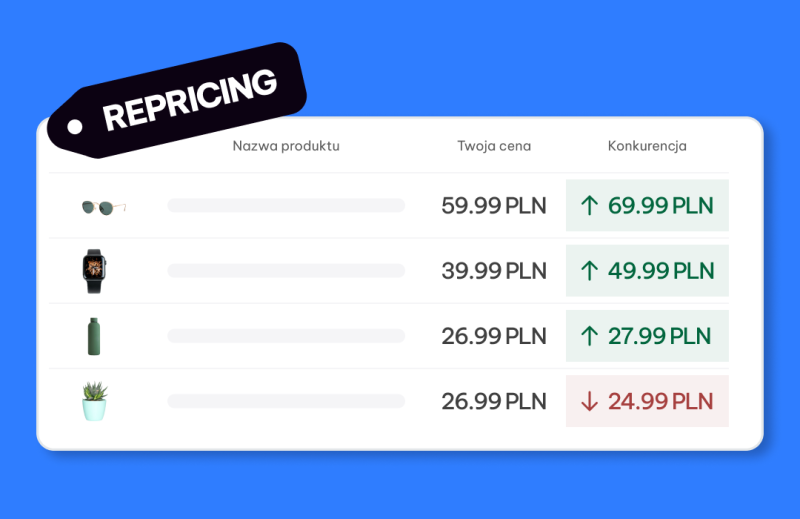
The Shifting Sands of Modern E-commerce Pricing
Many businesses still cling to traditional pricing models, often because they're familiar. But in a multi-channel sales environment, where a single product might be offered across your own online store, Amazon, Allegro, and other marketplaces, this old approach simply doesn't cut it anymore. Understanding how to set product prices now extends far beyond basic cost-plus calculations.
Beyond Simple Margins: What Really Drives Price?
Consider this: your customer doesn't see your cost structure. They only see your price relative to other offers. Marketplace algorithms don't care about your procurement challenges; they care about delivering the best value and experience to their users. If your price falls outside their acceptable range for a given product or category, your listing can lose crucial visibility, even if your underlying margin calculations are perfectly sound.
So, what are these mysterious forces shaping today's e-commerce product pricing?
- Competitive Dynamics: It's not just about who's cheapest. It's about understanding competitor pricing trends, frequency of price changes, and their overall competitive pricing strategy. Are they aggressive on certain items, or do they prioritize margin on others?
- Demand and Seasonality: A product that sells well at a premium price during peak season might need significant adjustments during slower periods to maintain sales growth. Recognizing these patterns is key.
- Sales Channel Nuances: A price that works wonders on your brand's website might be utterly ineffective on a highly competitive marketplace where direct comparisons are instant and unavoidable.
- Product Availability: Scarcity can drive up value. If competitors are low on stock, that often creates a window to increase your price without impacting sales, but only if you spot the opportunity quickly.
- Marketplace Algorithms: Platforms like Amazon and Allegro don't just look at the absolute price. They weigh it against category benchmarks, shipping speed, seller reputation, and even customer reviews. Your price is a critical factor in winning the "Buy Box" or achieving top search rankings.
The bottom line? Your pricing strategy must always be anchored in market realities, not just an internal spreadsheet.
Are You Leaving Money on the Table? Common Pricing Pitfalls
We see it all the time, regardless of a store's size. Many e-commerce businesses stumble over the same recurring pricing mistakes. These errors rarely lead to immediate catastrophic failure, but they very often lead to a systematic erosion of sales and profitability over time.
Why "Set It and Forget It" Pricing Harms Your Business
The "set it and forget it" mentality is perhaps the biggest culprit. In a world where market conditions can flip in hours, static prices are a severe handicap. Here are some of the most common missteps:
- Static Pricing: Sticking to a single price for an extended period, ignoring market shifts and competitor moves.
- Reactive Discounting: Impulsively slashing prices in response to competitor actions, often without a clear strategy, leading to a race to the bottom.
- Lack of Minimum Price Guardrails: Not having a clearly defined minimum acceptable price, risking sales below profitability thresholds.
- Treating All Products Equally: Applying the same pricing strategy to high-demand bestsellers, unique niche items, and complementary accessories. Each product category likely requires a tailored approach.
- Ignoring Cross-Channel Conflicts: Failing to optimize prices for each individual sales channel, leading to missed opportunities or even undermining your own brand perception.
These mistakes often lead to lost conversion rate optimization opportunities and directly impact your online store profitability. The good news is, you don't have to navigate this complexity alone.
Crafting a Winning E-commerce Pricing Strategy
Leading e-commerce businesses rarely rely on a single, rigid pricing approach. Instead, they embrace a hybrid model, dynamically adjusting their methods based on a product's role, market conditions, and overall business objectives.
Data-Driven Decisions for Maximum Impact
The foundation of any successful e-commerce pricing strategy in today's market is solid data. This means more than just looking at your own sales figures. It requires robust market research and continuous competitor analysis.
By understanding what's happening in your market, you can make informed decisions:
- When to aggressively pursue sales growth through competitive pricing.
- When to protect your profit margin optimization by holding a higher price, especially for unique or high-value items.
- Which products demand constant price vigilance, and which benefit from more stable pricing.
Dynamic Pricing: Your Secret Weapon for Sales Growth
This is where things get truly exciting. Dynamic pricing isn't about constant price wars; it's about intelligence and agility. It involves automatically adjusting product prices in real-time based on a multitude of factors like demand, competitor pricing, inventory levels, and even time of day.
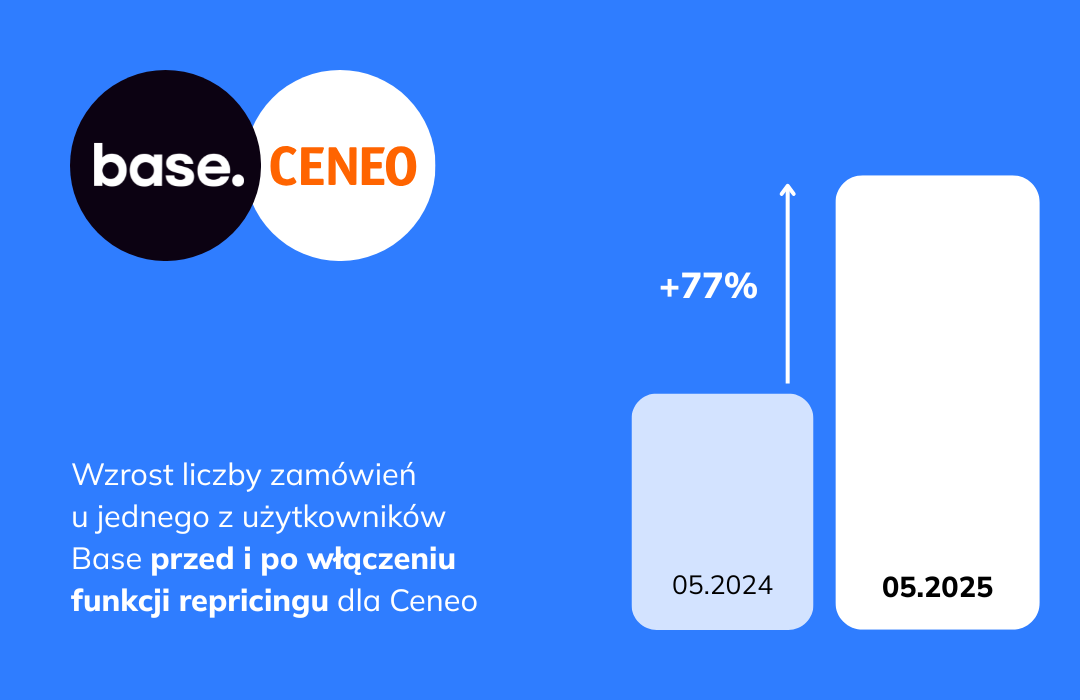
Imagine your prices automatically adapting to help you win the Buy Box when competitors run out of stock, or subtly increasing when demand surges. This level of responsiveness is virtually impossible to achieve manually, especially with a large catalog. That's why repricing software has become an indispensable tool for serious online sellers.
From Manual Headaches to Automated Excellence
While the idea of manual price control might seem appealing for its perceived granular command, in practice, it almost always leads to delayed reactions and decisions based on incomplete, outdated information. The pace of e-commerce simply doesn't allow for it.
The Power of E-commerce Automation
Our experience working with countless online stores shows that the biggest margin losses don't come from aggressive competition, but from a lack of systematic, automated pricing. Manual updates just can't keep up, leaving prices suboptimal for hours or even days, resulting in lost sales opportunities and reduced profitability.
This is where smart e-commerce automation truly shines. A well-configured repricing software system isn't just a race to the bottom; it's a sophisticated mechanism designed for profit margin optimization:
- It reacts to market changes 24/7, even when you're sleeping.
- It strictly adheres to your predefined minimum price and desired margin thresholds.
- It intelligently raises prices when market conditions allow, capitalizing on demand fluctuations or competitor stock-outs.
- It eliminates impulsive, emotion-driven pricing decisions, ensuring consistency and strategic alignment.
Ultimately, dynamic pricing and automation transform your pricing from a reactive chore into a proactive, intelligent driver of genuine online store profitability and sustained sales growth.
Partnering for Strategic Pricing Success
Understanding the intricacies of e-commerce product pricing and implementing advanced strategies like dynamic pricing can be daunting. As a digital marketing agency, we specialize in helping businesses like yours navigate these complexities and turn pricing into a powerful competitive advantage. We combine our expertise in SEO for e-commerce and conversion strategies with robust data analysis to ensure your products are always priced for optimal performance.
Ready to stop guessing and start earning more from every sale? Let's talk about how a tailored pricing strategy can transform your e-commerce business.
FAQ – Frequently Asked Questions on E-commerce Pricing
How do I determine the best price for my e-commerce products?
The best price considers not only your costs and desired margin but also competitor pricing, current market demand, the specific sales channel, and how marketplace algorithms evaluate offers. A hybrid pricing strategy combining margin-focused and dynamic approaches often yields the best results.
Does the lowest price always guarantee more sales on marketplaces?
On many marketplaces, having the lowest price significantly increases your chances of winning the Buy Box and gaining visibility, which often translates directly to increased sales. However, this isn't always sustainable or the most profitable approach. Strategic dynamic pricing aims to find the sweet spot between competitiveness and profitability.
What's the best way to protect my profit margins in e-commerce?
Key strategies include setting clear minimum price thresholds, continuous monitoring of competitor prices, and implementing repricing software to automatically adjust prices according to a predefined, margin-protective strategy. This ensures you never sell below your desired profitability.
What is repricing and how can it help my online store?
Repricing is the automated process of adjusting product prices in real-time based on market conditions, competitor activities, and your own business rules. It helps maintain competitiveness, optimizes profit margins by raising prices when possible, and significantly boosts sales growth and online store profitability by ensuring your offers are always strategically positioned.
Ready to unlock your store's full potential? Contact us today for a personalized e-commerce pricing strategy consultation.