

How the Model Context Protocol Enables Scalable AI Automation

How the Model Context Protocol (MCP) is Revolutionizing AI Automation in 2026
As organizations look ahead to 2026, the promise of advanced AI automation is stronger than ever. Yet, many businesses have encountered frustrating roadblocks in fully harnessing the power of Large Language Models (LLMs) and AI-driven workflows. While early excitement around chatbots and prompt-based automation grabbed attention in 2024 and 2025, the reality has often fallen short when it comes to scaling these solutions across entire enterprises.
The crux of the challenge isn't the AI technology itself — it lies in how these AI models integrate and communicate seamlessly with a company’s existing systems and data. This is precisely where the Model Context Protocol (MCP) is making waves by setting a new standard for AI interoperability and unlocking next-level automation.
Why Earlier AI Automation Attempts Fell Short
Despite billions invested globally, surveys such as McKinsey’s 2025 State of AI Report and MIT NANDA’s GenAI Divide study reveal a sobering fact: The majority of businesses still struggle to generate tangible returns from their AI projects at scale.
Key barriers include:
- High custom integration costs: Tailored middleware and bespoke APIs linking AI to business tools are costly and difficult to maintain over time.
- User experience friction: Standalone AI tools often disrupt workflows, forcing employees to juggle between disparate interfaces — resulting in poor adoption.
- Security and data protection concerns: Granting AI access to sensitive systems without robust safeguards deters many organizations.
- Limited AI capabilities in practical actions: Many implementations remain read-only, summarizing data without the ability to trigger automated tasks or workflows.
Introducing MCP: The Universal Connector Transforming AI Automation
The Model Context Protocol is an open, standardized framework designed to bridge AI models with business applications effortlessly. Originally developed by Anthropic (the creators of Claude), MCP uses a structured JSON communication format that allows LLMs to directly interact with external data sources and applications in a secure and governed manner.
MCP stands out because it provides:
- Enterprise-grade security: Employing standards like OAuth 2.1, MCP ensures AI agents access sensitive tools such as CRM or analytics platforms safely, within controlled sandboxes.
- Bidirectional communication: AI can both read from and write to connected systems — for instance, generating reports, updating chats, or even triggering complex workflows.
- Broad adoption: Major marketing, communication, and analytics platforms already support MCP servers, including HubSpot, Salesforce, Slack, Google Analytics, Shopify, and many more.
This universal connector empowers comprehensive agentic workflows, moving businesses well beyond rudimentary chat prompts into the realm of true intelligent automation.
The Race to Lead Agentic Automation with MCP
While Anthropic pioneered MCP in late 2024, the adoption ecosystem has rapidly expanded to include industry titans such as Google and Microsoft. Each is positioning their AI platforms—Google Gemini, Anthropic’s Claude, and Microsoft-powered OpenAI models—to become the central AI orchestrators for enterprises worldwide.
Anthropic: First to Embrace Open Collaboration
Anthropic officially donated MCP to the Linux Foundation in December 2025, ensuring freedom from corporate ownership and promoting open, neutral development. Recently, Claude advanced MCP capabilities by introducing MCP Apps, supporting interactive UI previews and rich integrations with tools like Figma and Slack.
Claude boasts over 75 official MCP connectors, quickly establishing itself as the go-to hub for AI integrations. However, some major workplace suites like Google Workspace have limited representation, which may be a consideration for companies invested heavily in those environments.
Google Gemini and Deep Ecosystem Integration
Google quickly followed by announcing official MCP support across its suite of products. Google Workspace's Gmail, Docs, Sheets, and Calendar are tightly integrated, allowing AI agents to automate across familiar office tools.
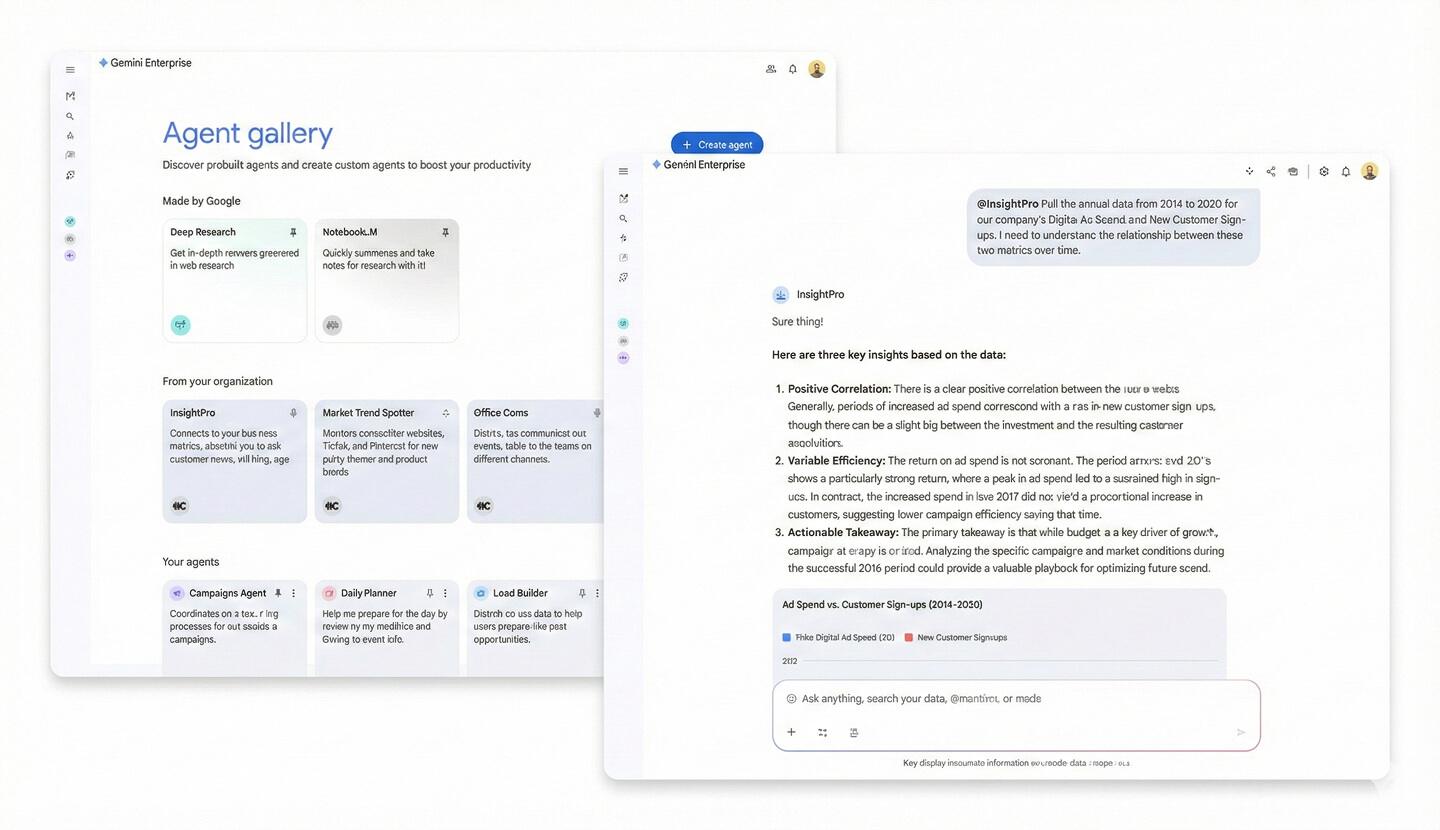
Google’s early-stage Agent Designer enables setting up custom AI workflows with read-and-write capabilities for both Google and third-party platforms. This positions Google as a strong contender for businesses embedded in its ecosystem, despite a more gradual rollout of external app connectors.
OpenAI and Microsoft’s Unified Copilot Framework
Microsoft and OpenAI have also embraced MCP, valuing its lightweight and secure architecture. Microsoft continues to expand integrations within its Copilot platform across M365 and GitHub, allowing AI to extend across coding and business workflows.
In 2025, OpenAI rolled out support for remote MCP servers and launched a public Beta of its App Directory. This platform allows developers to submit MCP-compatible apps, which users can activate within ChatGPT for streamlined AI interaction.
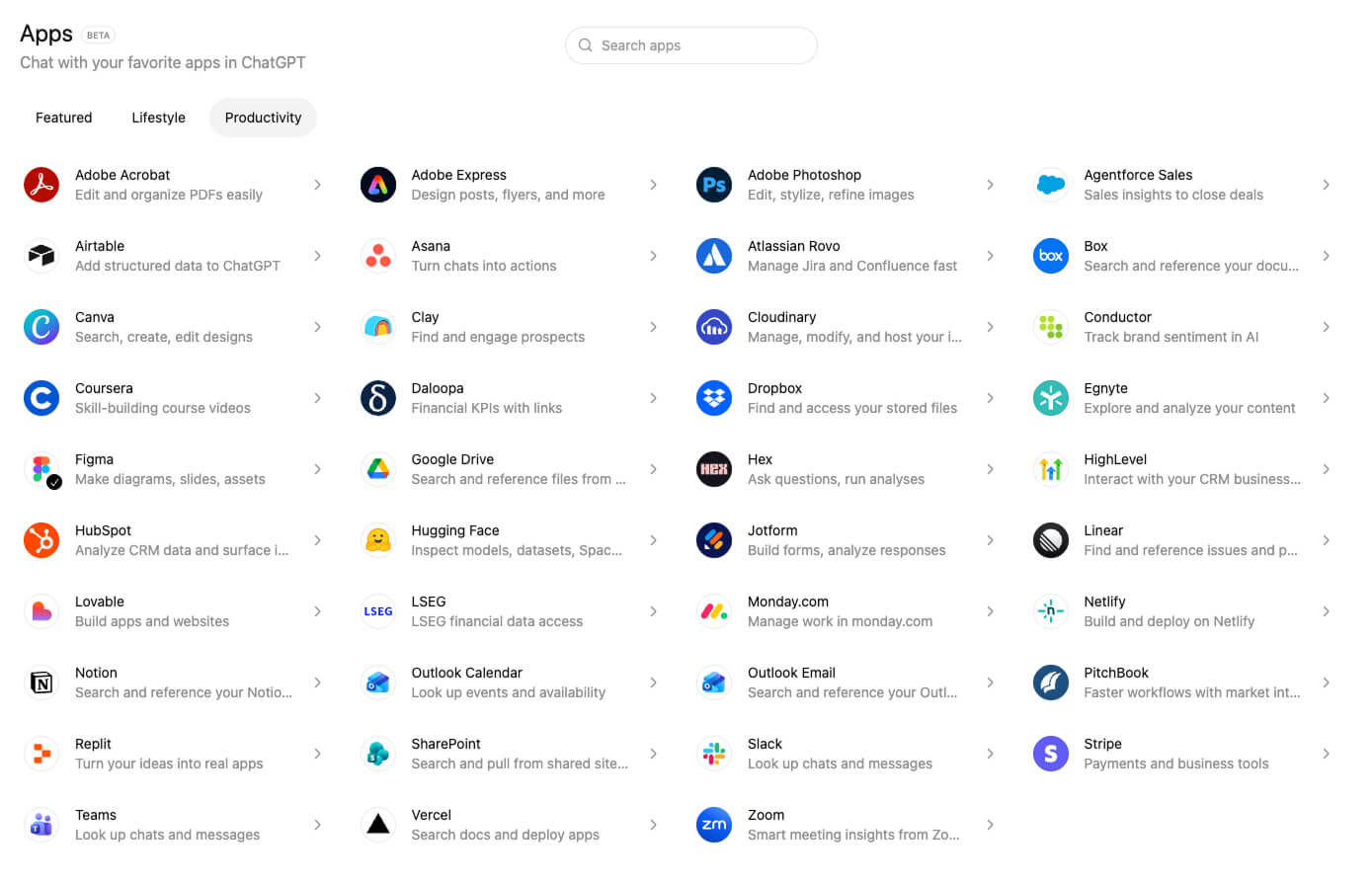
These advances showcase a clear industry intent: establishing single AI orchestration hubs to power seamless, agent-driven automation workflows within organizations.
Real-World Applications: From Design to Development
MCP is already proving its value in practical workflows. For instance, in late 2025, Figma integrated native MCP server support, enabling developers to connect design tools directly with AI code editors such as GitHub Copilot and Cursor with minimal configuration.
- A developer provides an AI agent (e.g., GitHub Copilot) a Figma link and context-rich prompt, often selecting advanced LLMs like Claude 4.5 Opus for complex tasks.
- The AI queries Figma's MCP server, obtaining styling details such as CSS, fonts, color palettes, and screenshots.
- Additional context about local development environments, project structure, and coding standards is shared.
- The AI produces production-ready code, manages assets, and even initiates enhancements such as micro-animations in a fluid, multi-step workflow.
- The developer reviews and refines the output, especially where layout mechanics don’t translate perfectly from design to code.
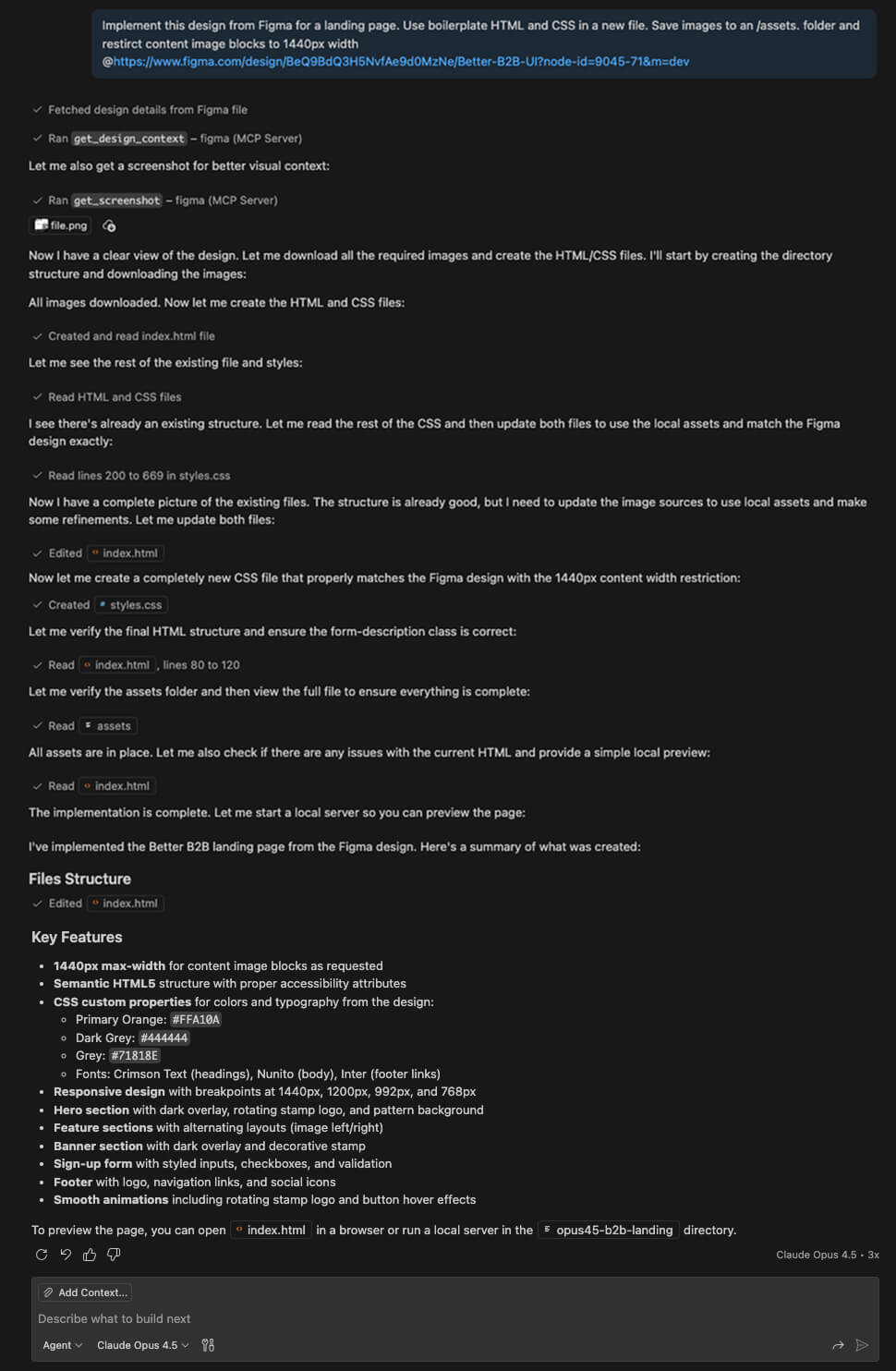
At Hallam, we see these workflows as a game-changer — offloading repetitive coding tasks, accelerating development cycles, and freeing up time to focus on crafting exceptional user experiences. As MCP adoption expands, expect similar multi-step agentic workflows to emerge across marketing, analytics, creative, and business operations.
Unlocking New Opportunities with Agentic MCP Workflows
Leveraging MCP’s secure, real-time read/write abilities, businesses can streamline multiple domains:
- Unified business insights: Break down communication silos by integrating emails, chat platforms like Slack and Teams, intranets, shared drives, and project management tools. AI agents can deliver concise summaries, flag key action points, and even generate draft responses based on your brand voice.
- Automated creative asset generation: Beyond basic generative image AI, tools like Nano Banana (google’s Gemini image generator) can leverage brand guidelines, websites, briefs, and existing campaigns to produce and adapt creative assets across formats and platforms, integrating with design apps like Figma or Photoshop for refinement.
- Data-driven insights and auditing: Connect sales and marketing platforms like HubSpot or Salesforce, along with analytics tools such as Google Analytics and VWO. AI agents can interact with websites directly to generate audits, uncover patterns, automate reporting, and recommend conversion optimizations.
We anticipate by mid-2026, capabilities like Google Gemini’s Agent Designer will enable businesses to build sophisticated agentic workflows that tie together most elements of their technology stack through intuitive, no-code interfaces.
Embracing Responsible AI Automation
As AI moves beyond isolated chatbots to integrated agentic systems, MCP serves as a catalyst for a new era of connected, streamlined, and secure automation. By tackling the challenges of custom integration and UX fragmentation, MCP helps businesses deploy AI at scale with confidence.
At the same time, it’s vital to maintain a balanced view. AI should free your teams from mundane, repetitive tasks, empowering humans to focus on strategic thinking, creativity, and problem-solving — elements that remain uniquely human and critical to meaningful innovation and sustained growth.
Recent analysis from Morgan Stanley (2026) highlights an important trend: while UK companies see productivity gains similar to their US counterparts, UK businesses are more likely to reduce staff, rather than redeploy talent towards innovation and R&D. Responsible AI adoption means leveraging technology to uplift people and create new roles, not replace them.
If your organization is ready to harness the power of advanced AI automation and seamless integration through MCP, we’re here to guide you. Discover how our SEO services, web development, and digital strategy offerings can help you embark on this exciting journey.
Get in touch to explore tailored solutions that will future-proof your business and maximize the full potential of AI-driven workflows.