
How to Handle Out of Stock and Discontinued Products for SEO

Is your e-commerce store a bustling marketplace or a digital graveyard for products that have seen their last sale? Every online retailer faces it: products go out of stock, some disappear forever. But what happens to those product pages? Leave them unattended, and you're not just losing potential sales; you're actively hurting your SEO performance and frustrating your customers. At mojo.com.pl, we understand that managing these product lifecycles is a critical, yet often overlooked, aspect of a healthy e-commerce SEO strategy. Let's dig into how to handle these situations like a pro.

The E-commerce Reality: Products Come and Go
In the dynamic world of online retail, product assortments evolve constantly. New items launch, bestsellers fly off the digital shelves, and inevitably, some products are temporarily unavailable or permanently discontinued. This ebb and flow is natural, but your website's response to these changes is anything but trivial.
Why This Isn't Just a "Minor Detail" for Your Digital Footprint
Ignoring how you manage out-of-stock or discontinued product pages can lead to a cascade of negative effects that impact your entire online presence. It's not just about a single page; it's about your brand's credibility, your standing with search engines, and ultimately, your bottom line.
- Dented Organic Search Performance: Poor handling can lead to technical SEO issues, wasted crawl budget, and a drop in search rankings for valuable keywords.
- Frustrated User Experience (UX): Nothing sours a user's journey faster than clicking a promising search result only to find an empty page or a product they can't buy.
- Lost Link Authority: If valuable product pages with strong backlinks simply disappear, you lose the "SEO juice" those links provided.
- Missed Conversion Opportunities: An intelligent strategy can still guide users to alternative products, keeping them on your site and engaged.
Temporarily Out of Stock? Don't Panic, Strategize!
When a product is merely taking a brief hiatus from your inventory, the best course of action is almost always to keep the page live. Deleting it or redirecting it prematurely will undo all the hard work that went into building its search visibility. You want Google to know it's still a relevant page, just unavailable for a bit.
Keeping the Page Live: Best Practices for Users & Search Engines
However, simply leaving an "out of stock" message isn't enough. Your goal is to provide a seamless user experience while signaling to search engines that this page still holds value.
- Crystal Clear Communication: Make it immediately obvious that the product is unavailable. Be specific if you have an estimated restock date.
- Remove "Add to Cart" Functionality: This might seem obvious, but allowing users to add an unavailable item to their cart is a major UX no-no.
- Offer Intelligent Alternatives: Suggest closely related products or link to the broader category page. This helps retain the user and potentially salvage a sale.
- "Notify Me" Options: Giving customers the ability to sign up for email notifications when the product is back in stock is a win-win. You capture a lead and provide value.
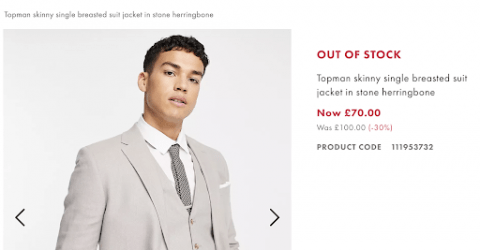
Consider using structured data, specifically the offers.availability schema, to inform search engines about the product's status (e.g., OutOfStock or InStock). This can influence how your product appears in search results, helping manage user expectations.
On category pages, think about demoting out-of-stock items to the bottom of the list or applying a clear visual indicator. You don't want your primary category pages to look barren, full of unavailable products. It's all about balancing discoverability with consumer perception.
When Products Are Gone for Good: Discontinued Strategies
This is where decisions get a bit more nuanced. Permanently discontinued products require careful consideration, as the wrong move can lead to lasting SEO damage. Here, we evaluate the page's existing value to determine the best approach.
Option 1: The Pristine 404 (When Value is Low)
Sometimes, letting a page return a 404 "Not Found" error is perfectly acceptable. This is especially true for products that never gained significant traction or received meaningful external links.
- Conditions for a 404:
- The page receives negligible organic traffic.
- It has no valuable backlinks pointing to it.
- There isn't a directly comparable or logical alternative product.
If you opt for a 404, ensure it's a custom, helpful 404 page. Don't just show a generic error. Guide users back to your main categories, popular products, or a search bar. This turns a dead end into a helpful redirect.
Remember to perform crucial cleanup: remove the URL from your XML sitemap and conduct an internal link audit to ensure no other pages are still linking to the now-defunct product.
Option 2: The Smart 301 Redirect (Preserving SEO Value)
If a discontinued product page pulls in substantial organic traffic or boasts an impressive backlink profile, a 301 redirect is your best friend. This permanent redirect passes almost all of the original page's link equity to the new target page, preserving your hard-earned SEO value.
- Conditions for a 301 Redirect:
- The page generates significant organic traffic.
- It has quality backlinks from reputable sources.
- There's a highly relevant alternative product or category.
Before implementing, you'll want to assess the page's value. Tools like Ahrefs or Semrush can quickly show you a page's organic traffic, keyword rankings, and backlink data.
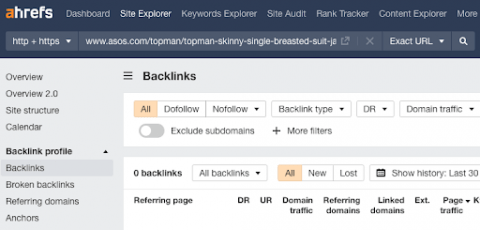
When redirecting, choose your target wisely. A directly comparable new product is ideal. If not, redirect to the relevant subcategory page. This is generally a safer bet than another specific product page, which might itself be discontinued in the future, creating troublesome redirect chains.
From a user perspective, a sudden redirect can be jarring. If possible, consider a dynamic message on the new page, something like: "The product you were looking for is no longer available, but here are some excellent alternatives!"
Option 3: The Archival Approach (Valuable Reference Content)
In certain niche cases, a discontinued product page might contain content that remains incredibly useful to users, even if the product itself can no longer be purchased. Think technical specifications, user manuals, compatibility guides, or historical data.
- When to Keep Discontinued Pages Live (with adjustments):
- The page offers unique, evergreen informational value (e.g., historical archives, detailed guides).
- Users actively seek out this information (check your analytics for search queries).
If you choose this route, clearly mark the product as "Discontinued" at the top of the page. Remove all purchasing options, but retain the valuable content. This maintains user trust and keeps relevant information accessible, solidifying your site as an authority in its field.
Your E-commerce SEO Health Check: Beyond the Basics
Managing out-of-stock and discontinued products is a prime example of how crucial a holistic e-commerce SEO strategy truly is. It's not just about getting traffic; it's about managing that traffic, optimizing every touchpoint, and ensuring long-term site health.
A proactive approach to content decay, regular technical SEO audits, and a deep understanding of user behavior will distinguish your e-commerce store from the competition. Don't let valuable product pages become dead ends; turn every transition into an opportunity for growth and improved user satisfaction.
Ready to Optimize Your E-commerce SEO Strategy?
Feeling a bit overwhelmed by product lifecycles and SEO implications? You don't have to tackle it alone. Our team of e-commerce SEO specialists at mojo.com.pl is here to help you develop a robust, scalable strategy that ensures every product page, whether active or retired, contributes positively to your online success.
Let's chat about how we can transform your e-commerce SEO challenges into clear opportunities. Get in touch with us today for a consultation, and let's make your digital presence work harder for you.